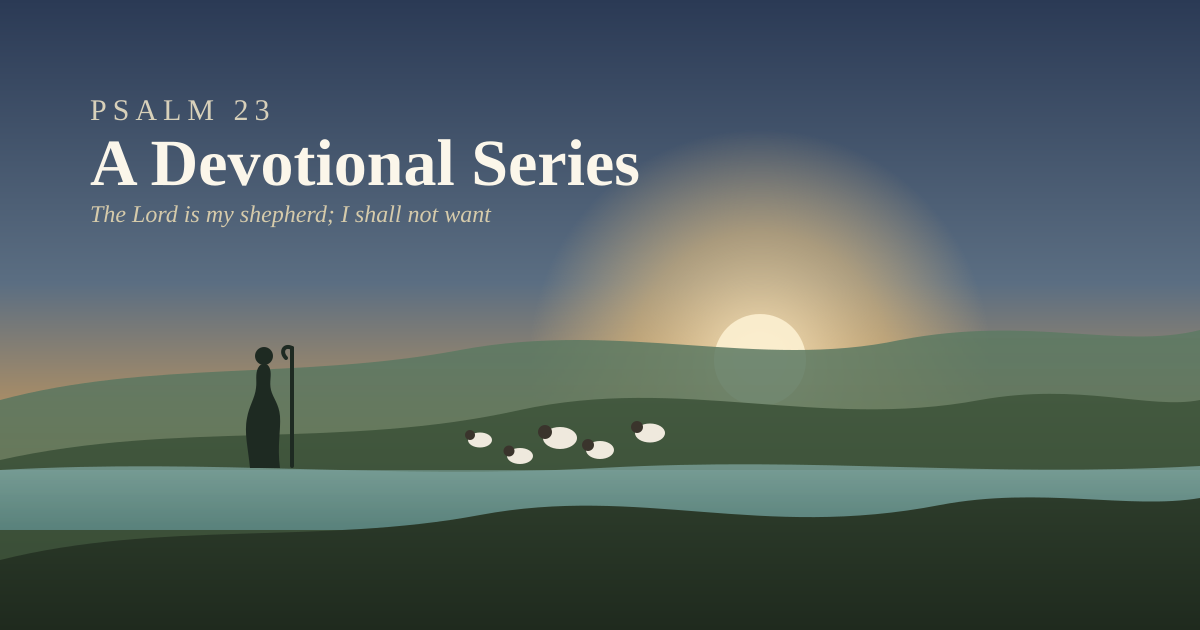
In the last study we saw the shepherd restore what had been worn down in you. Now the psalm tells you where that restored strength is meant to take you: “He leads me in right paths.”
By now the psalm has fed you, given you water, and let you rest long enough to recover your strength. It could have stopped there. Instead, it moves you forward again. Rest is never the end of the story with this shepherd. It is preparation for a journey that still lies ahead.
Some translations render this line “paths of righteousness,” which can make it sound like a call to moral improvement, as though the psalm’s main point were good behavior. But the older sense behind these words is more concrete than that. The path is called right because it is the true way, the way that actually leads somewhere safe, not because walking it is itself a moral achievement. The shepherd is not primarily grading your conduct. He is making sure you do not get lost.
This mattered enormously in the world where this psalm was written. The routes between grazing land and water were not always obvious, and they were rarely without danger. A flock could wander off course through unfamiliar hill country, run into hidden ravines, or simply lose the trail once darkness fell. To become lost on such a journey was not a minor inconvenience. It could be fatal, for the sheep and for the shepherd’s reputation both.
Unlike a herder who drives animals forward from behind with shouts and prods, the shepherds of that world walked ahead of their flock. The sheep followed not because they were forced to, but because they recognized the shepherd’s voice and trusted where it led.
Jesus later described himself in exactly these terms, saying that his sheep follow him because they know his voice, and that they will not follow a stranger. This is a picture of relationship, not coercion. You are not being pushed down the right path. You are being led down it by a voice you have learned to trust.
Think about what it actually means to trust a voice like this. It means you do not have to calculate every step of your own future in advance, mapping out contingencies for every possible danger before you will move forward. The sheep does not need to be an expert in geography. It needs only to recognize the shepherd’s voice and follow where that voice goes. Your task is much the same: to keep learning to recognize his voice, in prayer, in Scripture, in the quiet promptings you have learned over time to trust, and to follow where it leads, even when you cannot yet see the destination.
This is also, notice, a warning as much as a comfort. The psalm assumes there are other voices, calling from other paths, promising shortcuts or easier ground. Some of those paths may look inviting. But a path is not right simply because it looks pleasant at the outset. It is right because the shepherd who has already proven trustworthy is the one walking it first. Following a stranger’s voice, however appealing it sounds, is how sheep get lost.
Whatever crossroads you are facing today, whatever decision has you uncertain which way to go, remember that you are not required to find your own way through unfamiliar country by force of your own cleverness. You are invited simply to follow a voice you have come to know, trusting that the one who leads you has never yet led you wrong.
Prayer
Lord, thank you that you do not merely point out the way and leave me to find it on my own, but that you go ahead of me and lead. Help me to know your voice well enough to recognize it above every other voice calling for my attention. Where I am facing a decision today and cannot see the way forward clearly, give me the trust to follow you one step at a time. Keep me from paths that look easy but lead away from you. I ask this in the name of Jesus Christ, the Good Shepherd. Amen.
Read the complete series of devotionals on Psalm 23 by clicking here: “Studies on Psalm 23.”
NOTE
If you enjoyed this devotional on Psalm 23, you will enjoy reading my new book: Praying the Psalms: Finding Your Voice in Israel’s Prayer Book.
Praying the Psalms contains a devotional on all 150 psalms.
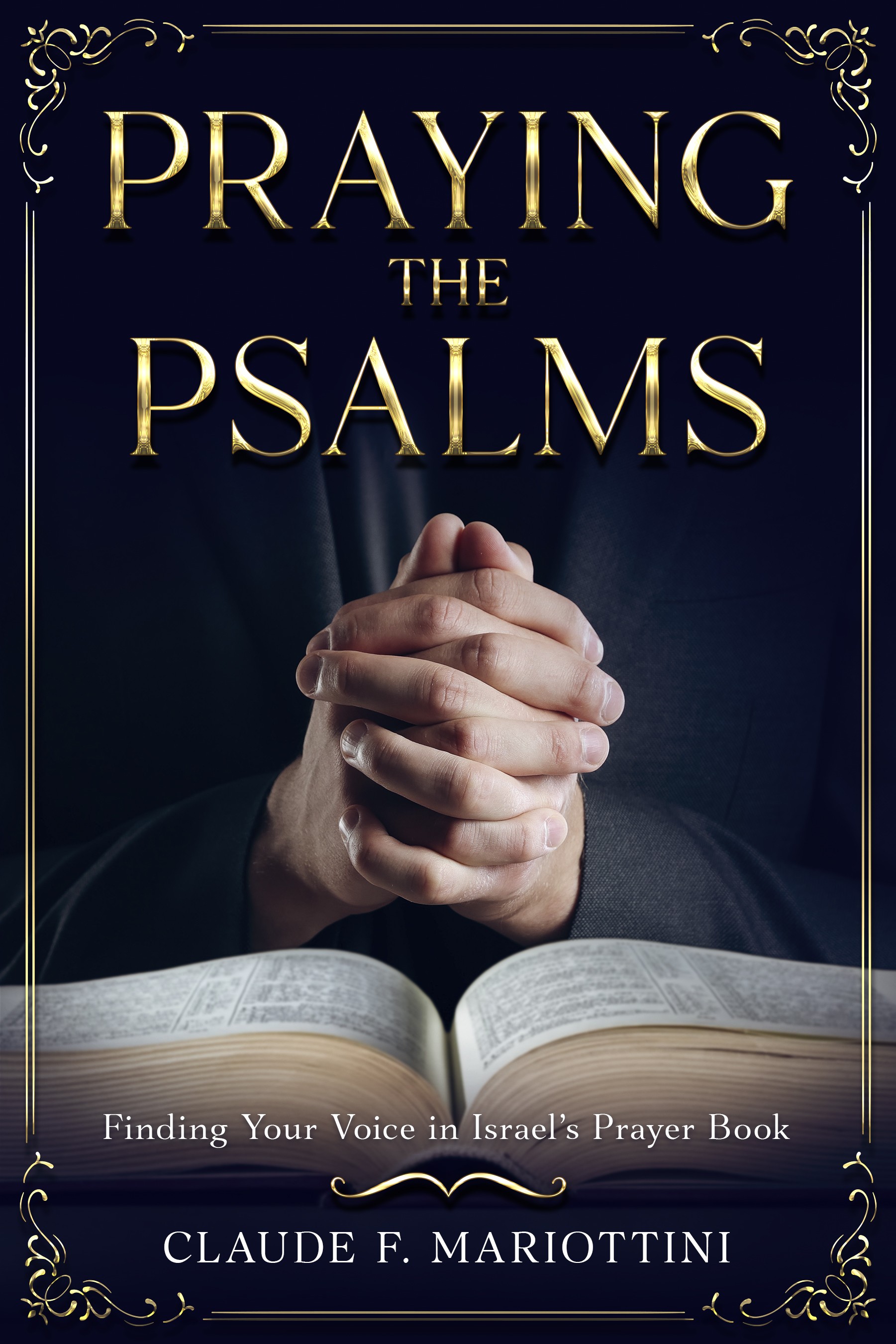
You can order the book from Ancient Path Press.
Claude Mariottini
Emeritus Professor of Old Testament
Northern Baptist Seminary
If you enjoyed reading this post, you will enjoy reading my books.
VISIT MY AMAZON AUTHOR’S PAGE
BUY MY BOOKS ON AMAZON (Click here).
NOTE: Did you like this post? Do you think other people would like to read this post? Be sure to share this post on Facebook and share a link on X so that others may enjoy reading it too!
If you are looking for other series of studies on the Old Testament, visit the Archive section and you will find many studies that deal with a variety of Old Testament topics.