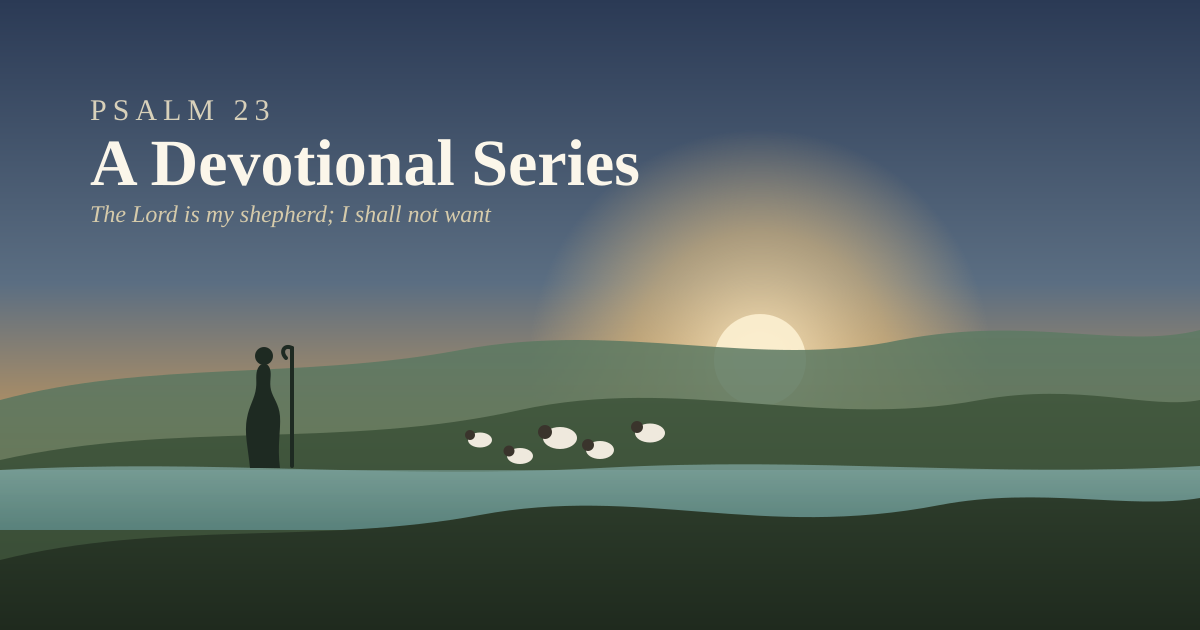
Few passages in Scripture have been read, memorized, and returned to as often as Psalm 23. It is recited at gravesides and whispered in hospital rooms. It is taught to children and clung to by the dying. Across centuries, languages, and traditions, this brief psalm has become the place believers turn when their own words fail them. Having walked through its images one statement at a time, shepherd and pasture, valley and rod, table and cup, house and dwelling, it is worth asking, as we close, why this particular psalm has proven so enduring.
Part of the answer lies in its honesty. The psalmist does not pretend that your life will contain no danger. He names the darkest valley directly. He acknowledges enemies who are present and watching. He does not offer you a vision of existence free from threat, loss, or fear. This honesty is itself a gift, especially if you have come to this psalm carrying real hardship. A psalm that promised the absence of trouble would ring false to anyone actually walking through trouble. Psalm 23 promises something sturdier instead: not the absence of the valley, but the presence of a shepherd within it.
This leads to the second reason this psalm has endured. Its comfort is relentlessly personal. From its opening line, it never speaks about God in the abstract. It speaks of a shepherd who makes me lie down, who leads me, who restores my soul, who is with me. Even its closing image of the temple is framed in the first person: I shall dwell. Every person who has ever prayed this psalm has been invited to insert their own life into this same structure, to know that the God described here is not a distant force but a present shepherd, and that the invitation to his table and his house is extended not generally, but specifically, before you.
The psalm also endures because it addresses the full range of human need without becoming scattered or vague. It moves from provision, pasture and water, to guidance, right paths, to protection, rod and staff amid danger, to honor, a prepared table and anointed head, to belonging, a permanent home in the house of the Lord. Few passages of comparable length manage to touch so many dimensions of what it means to be truly cared for. Whatever need you bring to this psalm, hunger, fear, grief, isolation, or simply the desire to belong somewhere lasting, some verse within these six short verses speaks directly to it.
Finally, this psalm endures because its confidence is not naive. The psalmist does not claim that goodness and mercy pursue him because he has earned them. He does not claim the valley has become safe or that his enemies have vanished. His confidence rests entirely on the character of the shepherd himself, on a covenant faithfulness that pursues him regardless of his own merit. This is why broken hearts return to this psalm again and again. It does not ask you to first become strong, deserving, or unafraid. It simply describes a shepherd who leads, protects, and welcomes those who are weak, wandering, and afraid, which is to say, it describes you.
This is, in the end, the enduring relevance of Psalm 23. It gives words to those who have none. It names the darkest valley without flinching from it. And it insists, against every appearance to the contrary, that goodness and mercy are in pursuit of you even now, and that a place at the table has already been prepared.
Prayer
Lord, thank you for a psalm that has carried so many before me through their own darkest valleys, and that now carries me through mine. Thank you that your care for me was never contingent on my strength, my worthiness, or my ability to keep myself together. As I close this study of your shepherd’s psalm, let its words become my own: you are my shepherd, and I shall not want. Let me walk from here trusting that goodness and mercy are following me still, and that a place in your house has already been prepared for me, for as long as I live. I ask this in the name of Jesus Christ, the Good Shepherd. Amen.
Read the complete series of devotionals on Psalm 23 by clicking here: “Studies on Psalm 23.”
NOTE
If you enjoyed this devotional on Psalm 23, you will enjoy reading my new book: Praying the Psalms: Finding Your Voice in Israel’s Prayer Book.
Praying the Psalms contains a devotional on all 150 psalms.
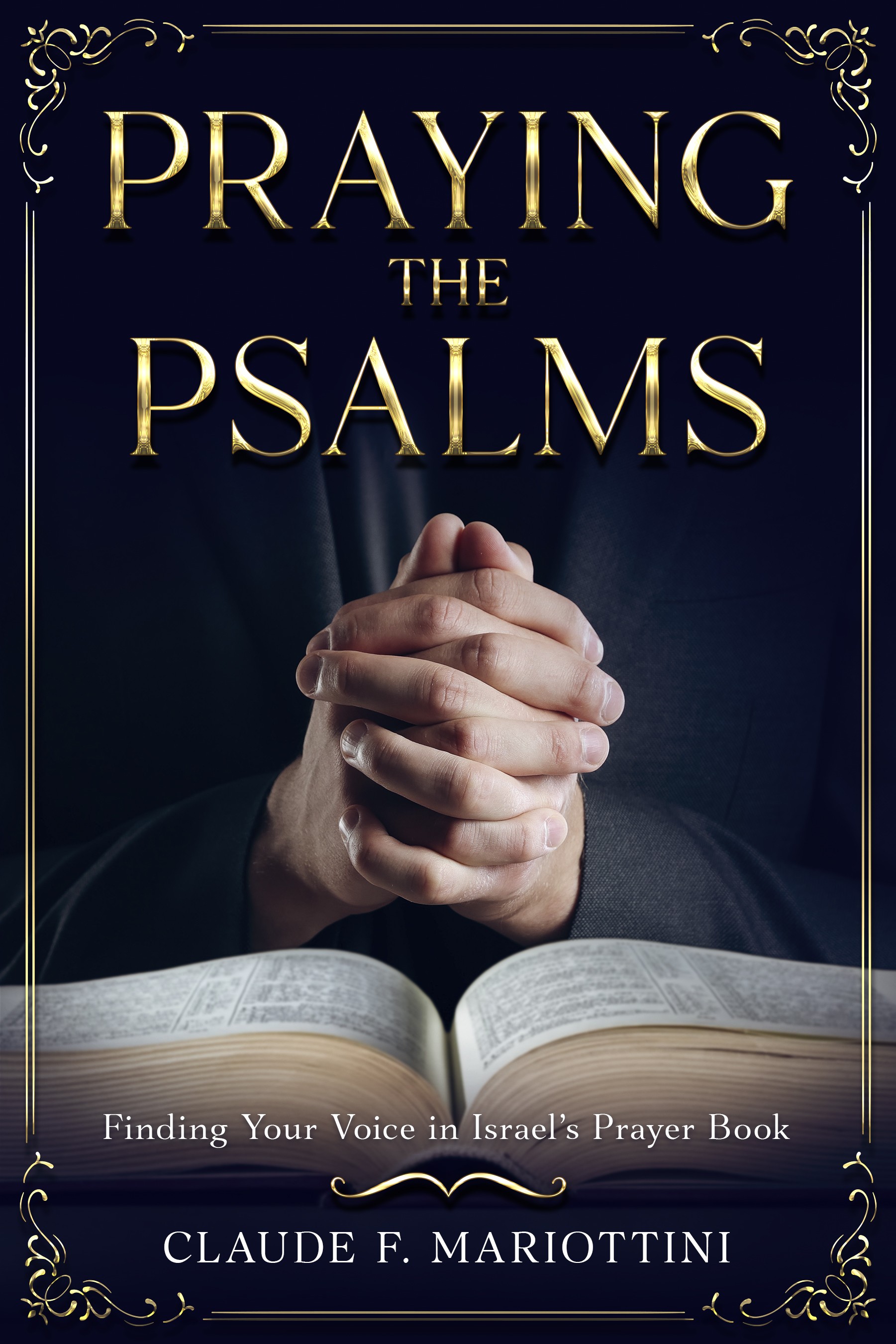
You can order the book from Ancient Path Press.
Claude Mariottini
Emeritus Professor of Old Testament
Northern Baptist Seminary
If you enjoyed reading this post, you will enjoy reading my books.
VISIT MY AMAZON AUTHOR’S PAGE
BUY MY BOOKS ON AMAZON (Click here).
NOTE: Did you like this post? Do you think other people would like to read this post? Be sure to share this post on Facebook and share a link on X so that others may enjoy reading it too!
If you are looking for other series of studies on the Old Testament, visit the Archive section and you will find many studies that deal with a variety of Old Testament topics.