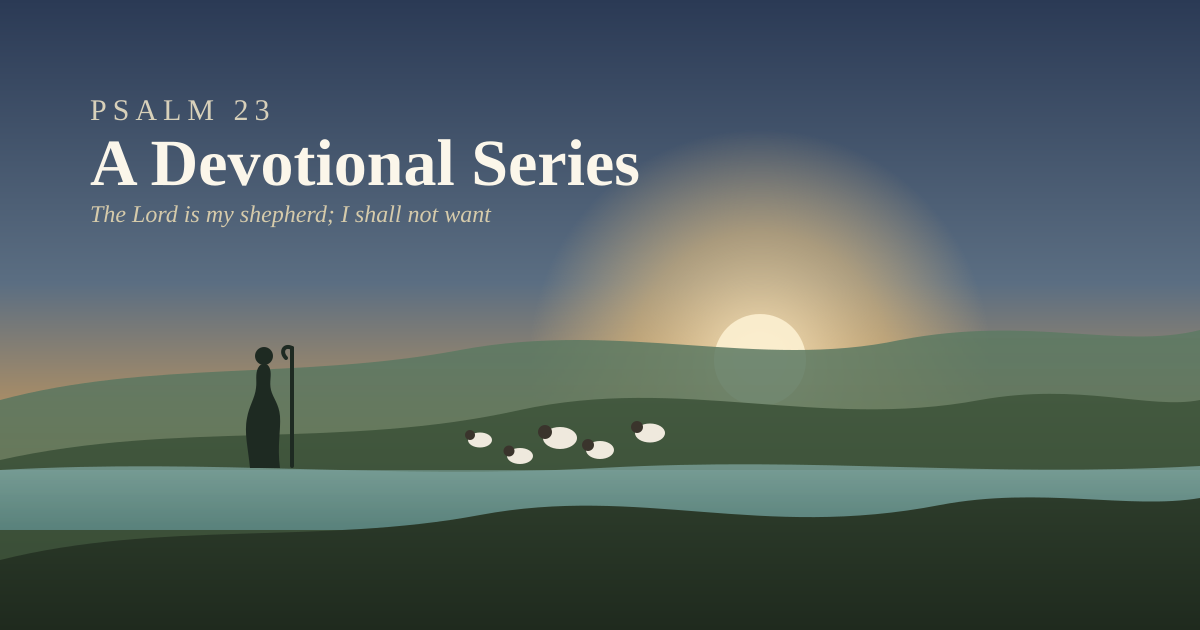
In the last study we saw that God’s goodness and mercy will follow you all the days of your life. Now the psalm reaches its final line, the destination toward which everything else has been moving: “and I shall dwell in the house of the LORD my whole life long.”
Having journeyed from pasture to valley to banquet table, the psalm arrives at one last image, no longer of pathway or provision, but of permanent residence. This closing line deserves careful attention, both for what it claims and for what it means to dwell in “the house of the LORD.”
This phrase most naturally points to the temple, the physical place where God was understood to dwell among his people in a particular and concentrated way. To speak of dwelling in the house of the Lord was to speak of continual access to worship, continual nearness to God’s presence as his people experienced it. Those who came to worship there were, in a real sense, guests in God’s own house, received the same way you have already been received as an honored guest at the banquet table earlier in this psalm. The image of guest and host, introduced there, now finds its permanent setting. You are not merely a guest for a single meal. You are one who dwells continually within the house of your host.
This closing declaration echoes a longing voiced elsewhere in the Psalms. In one place, the psalmist says that the one thing he desires above all else is to live in the house of the Lord all the days of his life, to gaze on God’s beauty and seek him there. The shared language, “all the days of my life,” suggests that both psalms describe the very same aspiration: not a single visit to a sacred place, but an entire life oriented around continual nearness to God. Elsewhere in the Psalms, this same longing turns into celebration: those who dwell in God’s house are described as happy, ever singing his praise, a fitting companion to the gratitude and confidence that has run through this whole psalm.
Taken together, these psalms suggest that dwelling in God’s house was never understood as an occasional pilgrimage you might make now and then. It was a settled condition of continual relationship, marked by worship, beauty, and joy. When you declare, along with the psalmist, that you shall dwell there your whole life long, you are not describing an occasional visit. You are describing a permanent state of nearness to God, sustained for as long as you live.
This final image brings the entire psalm to its proper resolution. The shepherd who led, restored, and guided you has become the host who welcomed, honored, and protected you. Now, in these closing words, you find yourself permanently established within the house of that same host, dwelling continually in a presence you have come to trust. The journey that began in green pastures ends not merely in safety, but in permanent nearness to the God who has proven faithful at every step along the way.
Prayer
Lord, thank you that the journey you have led me through was never meant to end in mere safety, but in nearness to you that lasts forever. Whatever pastures or valleys I have walked through to get here, let me arrive, in the end, at your house, dwelling there not for a season but for as long as I live. Teach me to desire this nearness above every other thing I might chase after. I ask this in the name of Jesus Christ. Amen.
Read the complete series of devotionals on Psalm 23 by clicking here: “Studies on Psalm 23.”
NOTE
If you enjoyed this devotional on Psalm 23, you will enjoy reading my new book: Praying the Psalms: Finding Your Voice in Israel’s Prayer Book.
Praying the Psalms contains a devotional on all 150 psalms.
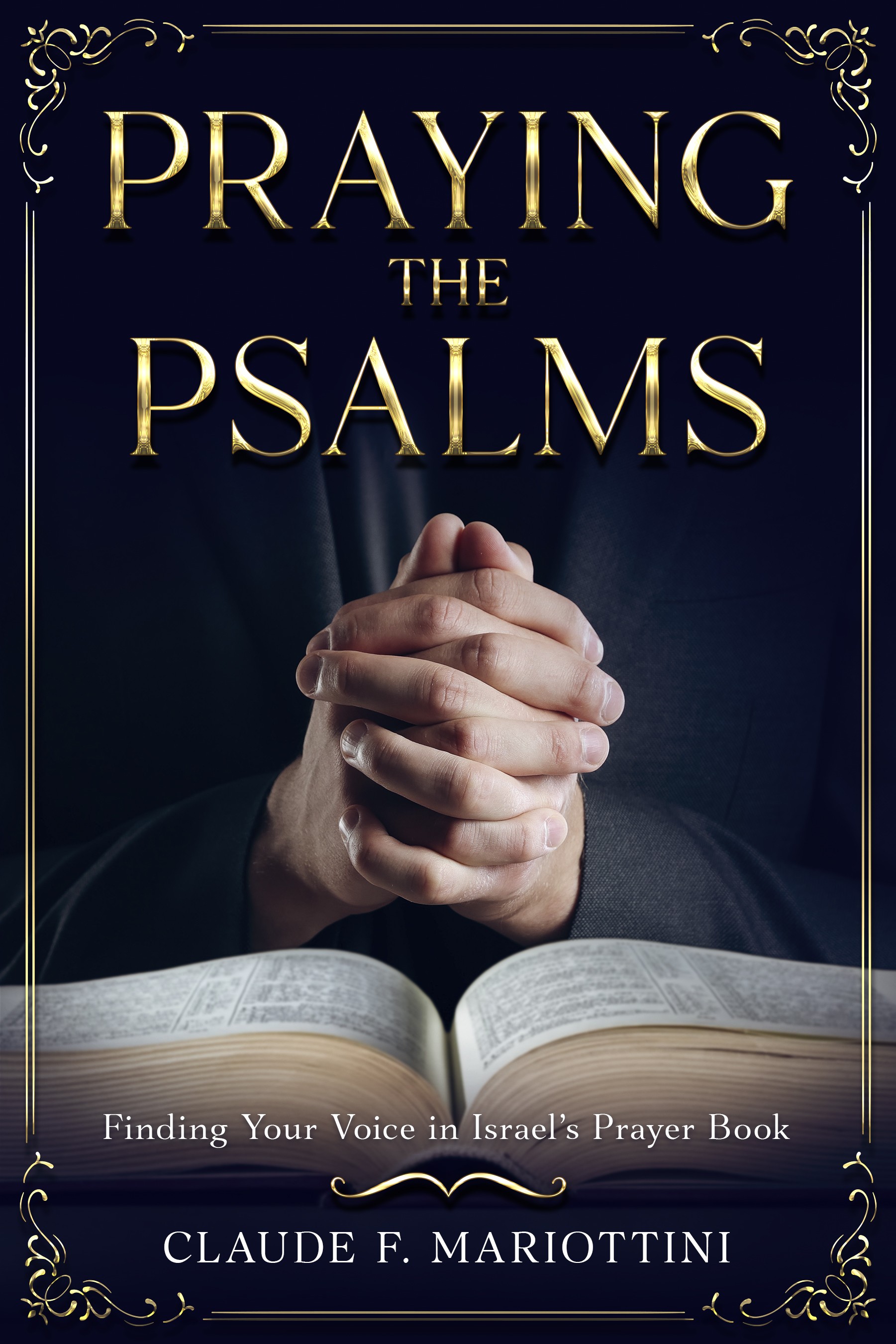
You can order the book from Ancient Path Press.
Claude Mariottini
Emeritus Professor of Old Testament
Northern Baptist Seminary
If you enjoyed reading this post, you will enjoy reading my books.
VISIT MY AMAZON AUTHOR’S PAGE
BUY MY BOOKS ON AMAZON (Click here).
NOTE: Did you like this post? Do you think other people would like to read this post? Be sure to share this post on Facebook and share a link on X so that others may enjoy reading it too!
If you are looking for other series of studies on the Old Testament, visit the Archive section and you will find many studies that deal with a variety of Old Testament topics.