
“My soul yearns, even faints, for the courts of the LORD; my heart and my flesh cry out for the living God” (Psalm 84:2).
There is a hunger built into the human heart that nothing earthly can satisfy. The psalmist captures this profound truth with visceral language that speaks to our deepest experience. He does not merely say he wants to go to the temple or that he thinks worship is important. He uses words like “yearns,” “faints,” and “cry out,” the vocabulary of desperate need, not casual preference.
This verse reveals three dimensions of spiritual longing that resonate across the centuries to our own souls today.
First, notice the intensity of the desire. The soul does not just want or wish; it yearns. This is the language of aching, of being stretched toward something just beyond reach. The Hebrew word suggests a longing so intense it causes physical weakness, even to the point of fainting. Have you ever wanted something so badly that it left you breathless? This is how the psalmist describes his longing for God’s presence.
We live in an age of casual spirituality, where faith is often reduced to a lifestyle accessory or a source of occasional inspiration. But the psalmist reminds us that a true relationship with God engages us at the deepest level. It is not about fitting God into our schedule or adding religious practices to our routine. It is about recognizing that our souls were made for him and cannot rest until they rest in him.
Second, observe the completeness of the longing. The psalmist says both his heart and his flesh cry out. This is not merely intellectual assent or emotional sentiment; it is a whole-person response. Our minds may engage theological concepts, our emotions may respond to worship, but there is something more profound happening here. The “flesh” crying out suggests that even our physical bodies are attuned to this spiritual reality. We are integrated beings, and our longing for God involves every part of who we are.
This challenges the false division between the spiritual and physical aspects of life. The psalmist does not apologize for the bodily dimension of worship or try to spiritualize it away. Instead, he embraces it. When we gather for worship, when we lift our hands, when we kneel in prayer, when we fast or feast in celebration, these physical acts matter because we are embodied souls. Our whole selves were designed to connect with our creator.
Third, consider the object of this longing: “the living God.” Not an idea, not a philosophy, not even a set of religious practices, but a living, personal God. The psalmist yearns for the courts of the Lord because that is where God’s presence dwells. The temple, the tabernacle, the gathered assembly, these were not ends in themselves but gateways to encountering the One who is alive and active.
This phrase “the living God” distinguished Israel’s faith from the surrounding cultures with their lifeless idols. Those gods of wood and stone could neither hear nor respond. But the God of Israel is dynamic, personal, and present. He sees, hears, acts, and relates. This is why the psalmist’s longing makes sense: you can have a relationship with a living God in ways that are impossible with mere religious concepts.
For us today, this verse poses a challenging question: do we share this intensity of longing? In our world of endless entertainment and comfortable religion, have we lost touch with this deep hunger? Or have we perhaps tried to satisfy it with substitutes, with religious activity instead of relationship, with theological knowledge instead of transformative encounter, with the trappings of faith instead of the living God himself?
The beautiful truth is that this yearning, when we feel it, is itself a gift from God. Augustine famously prayed, “You have made us for yourself, and our hearts are restless until they rest in you.” That restlessness, that ache, that sense of something missing, these are not problems to be solved but invitations to be accepted. God has placed eternity in our hearts, and he alone can fill that God-shaped void within us.
If you have lost that longing, ask God to reawaken it. If you feel it now, lean into it. Let your soul yearn. Let your heart and flesh cry out. This is not weakness but wisdom, the recognition of our deepest need and the one who alone can meet it.
PRAYER
Living God, awaken in us a holy hunger for your presence. When our souls grow cold and our hearts become complacent, stir within us that deep yearning that can only be satisfied by you. Draw us into your courts not out of duty but out of desperate desire. May our whole selves, heart, soul, mind, and strength cry out for you, the only one who can truly satisfy the longing you yourself have placed within us. In Jesus’ name, Amen.
NOTE
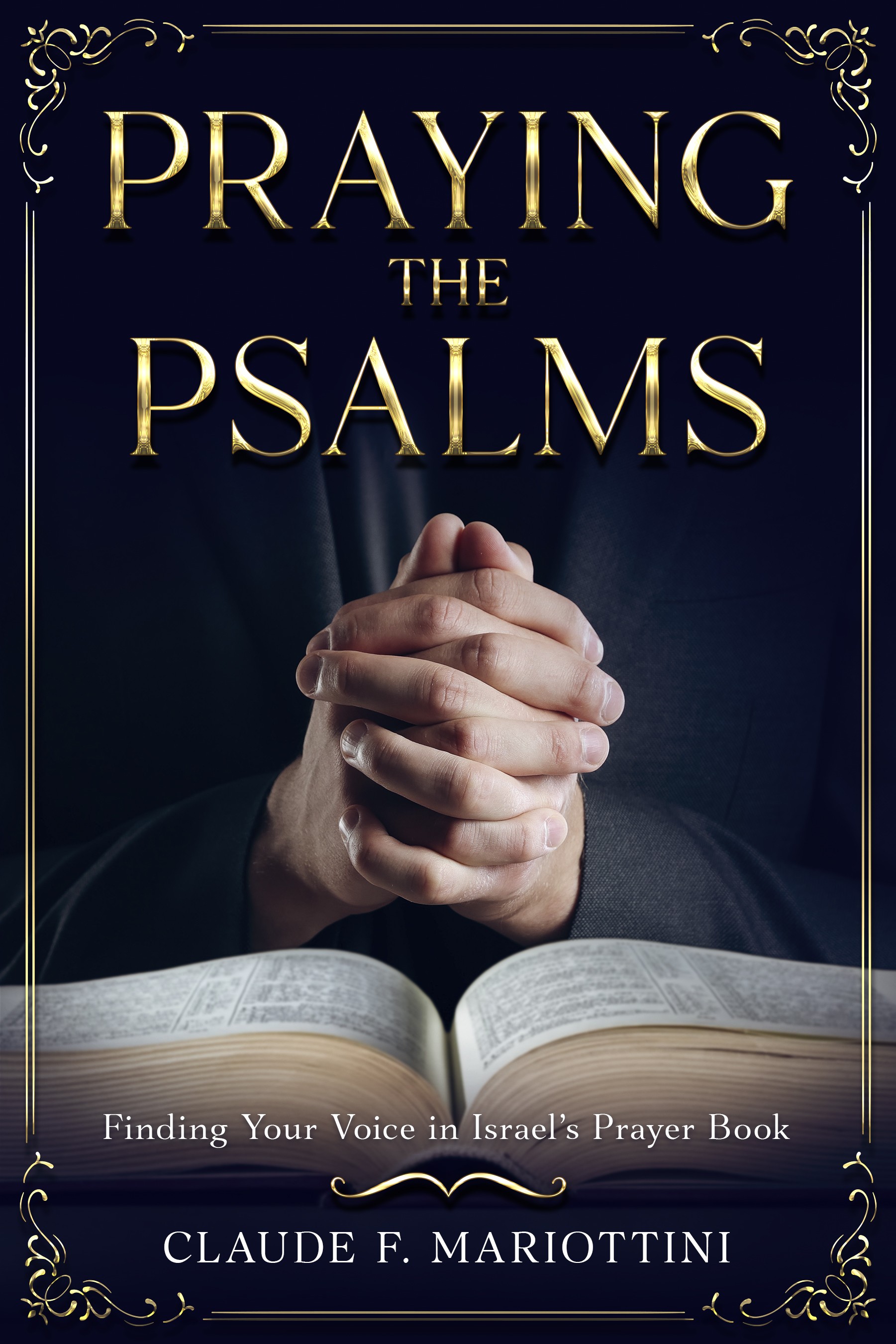
This post is a section of my new book: Praying the Psalms: Finding Your Voice in Israel’s Prayer Book.
Praying the Psalms contains a devotional on all 150 psalms. If you enjoyed this post, you will enjoy the other 149 devotionals in the book.
You can order the book from Ancient Path Press.
Claude Mariottini
Emeritus Professor of Old Testament
Northern Baptist Seminary
If you enjoyed reading this post, you will enjoy reading my books.
VISIT MY AMAZON AUTHOR’S PAGE
BUY MY BOOKS ON AMAZON (Click here).
NOTE: Did you like this post? Do you think other people would like to read this post? Be sure to share this post on Facebook and share a link on X so that others may enjoy reading it too!
If you are looking for other series of studies on the Old Testament, visit the Archive section and you will find many studies that deal with a variety of Old Testament topics.













Thank you for posting this! In a world with so many more distractions than ever, this post is a beautiful reminder of who (the Lord) we should hold more dear to our hearts than anything else.
LikeLike
Brittani,
It was nice hearing from you.
The book of Psalms was my companion through my many years in ministry. You will enjoy reading these devotionals.
Claude Mariottini
LikeLike