July 3, 2014 10:31 am
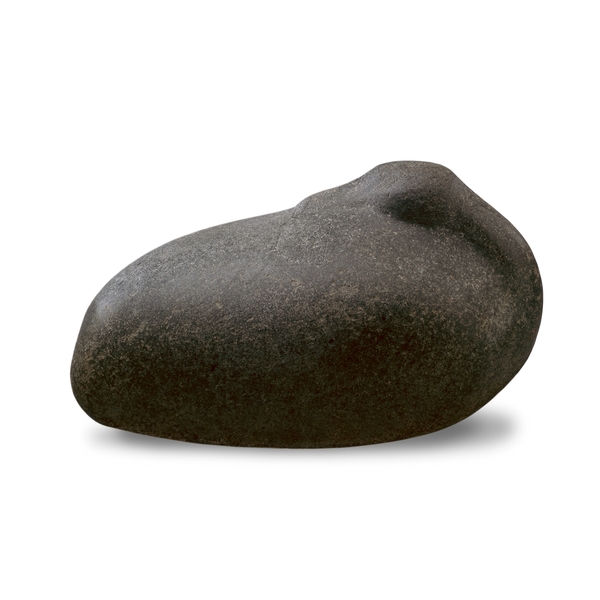
Image: Granite Weight in the Form of a Duck
Credit: The British Museum
News from Archaeology
This image of a granite weight in the form of a duck comes from the Kingdom of Lagash, about 2150-2000 B.C.
The information below about the granite weight comes from The British Museum:
The weight is inscribed in cuneiform with the name of Ur-Ningirsu, ruler of the city-state of Lagash as the successor to Gudea. Ur-Ningirsu ruled in a period following the decline of the empire of Agade (Akkad) and the rise of a new political power centred on the city of Ur.
Although all the administrators of city states in southern Mesopotamia used the cuneiform writing system, they used various methods of weighing and measuring. With the formation of the empires of Agade and Ur the cities were united under one king. Attempts were made to reorganize the administration and introduce standardization. This must have helped communication and control.
The weight of this stone is given as 2 talents. A talent was approximately 30 kilos and could be divided into 60 minas. Stone was preferred for weights of different standards in the Bronze Age (about 3000-1000 BC). There was a gradual shift to metals in the first millennium BC (for example, two bronze weights in the form of a lion, also in The British Museum).
Claude Mariottini
Professor of Old Testament
Northern Baptist Seminary
If you enjoyed reading this post, share it with others: click the “Like” button and then share it:


Posted by Claude Mariottini
Categories: Archaeology
Tags: Archaeology, Lagash
Mobile Site | Full Site
Get a free blog at WordPress.com Theme: WordPress Mobile Edition by Alex King.